
5 hr
Arenales Caves & Charco Azul Adventure
Journey deep into Puerto Rico's mountains to swim through cave rivers and leap from jungle cliffs
Reserve
Karst passages carved over millennia, accessible now without reservation fees
Hand-picked by our editors — only the best 5 adventures from 12 reviewed
Verified partners for every tour, free cancellation where available, and instant confirmation on every booking.
5 hr
Journey deep into Puerto Rico's mountains to swim through cave rivers and leap from jungle cliffs
Reserve
5 hr
Swim through a blue canyon, explore cave waterfalls, and snorkel a lagoon beach—three thrilling outdoor experiences in one day.
Reserve
4 hr
Hike, jump, and swim through cave systems while discovering ancient rock carvings and hidden cascades
ReservePrices from verified partners. Availability updates in real time at checkout. Free cancellation policies apply where shown.
The landmarks, rooms, and views travelers on this tour remember — all visible on a single visit.
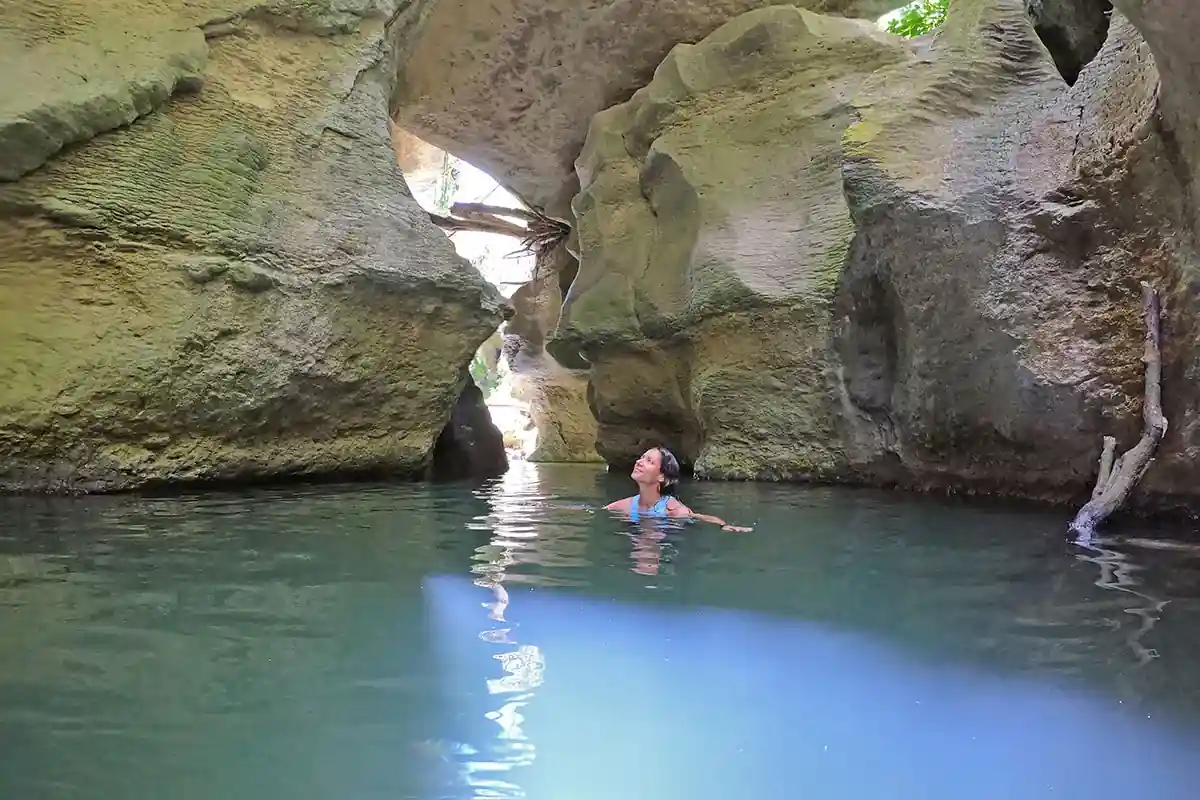
A deep, turquoise swimming hole featuring high rock walls for cliff jumping.
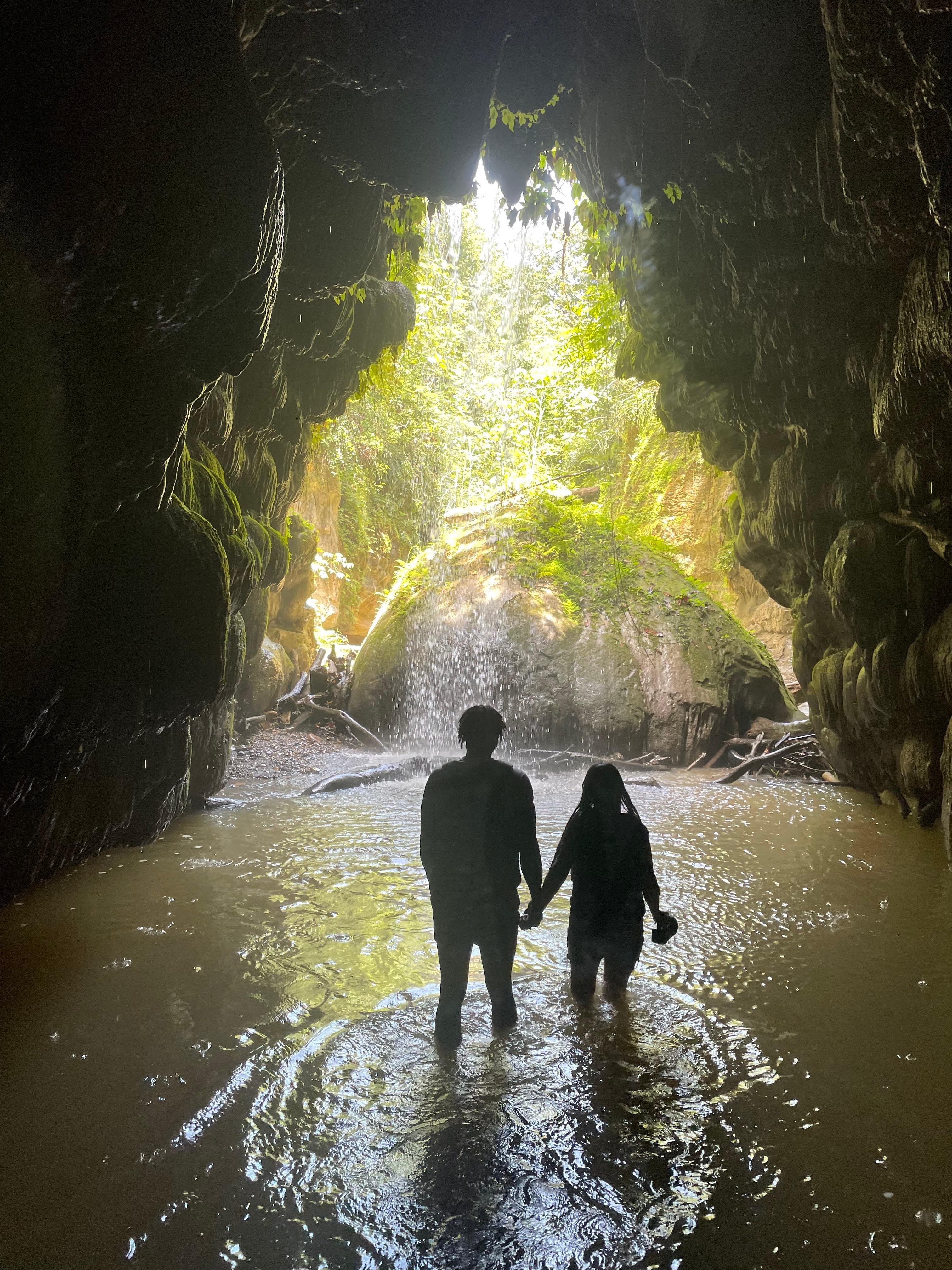
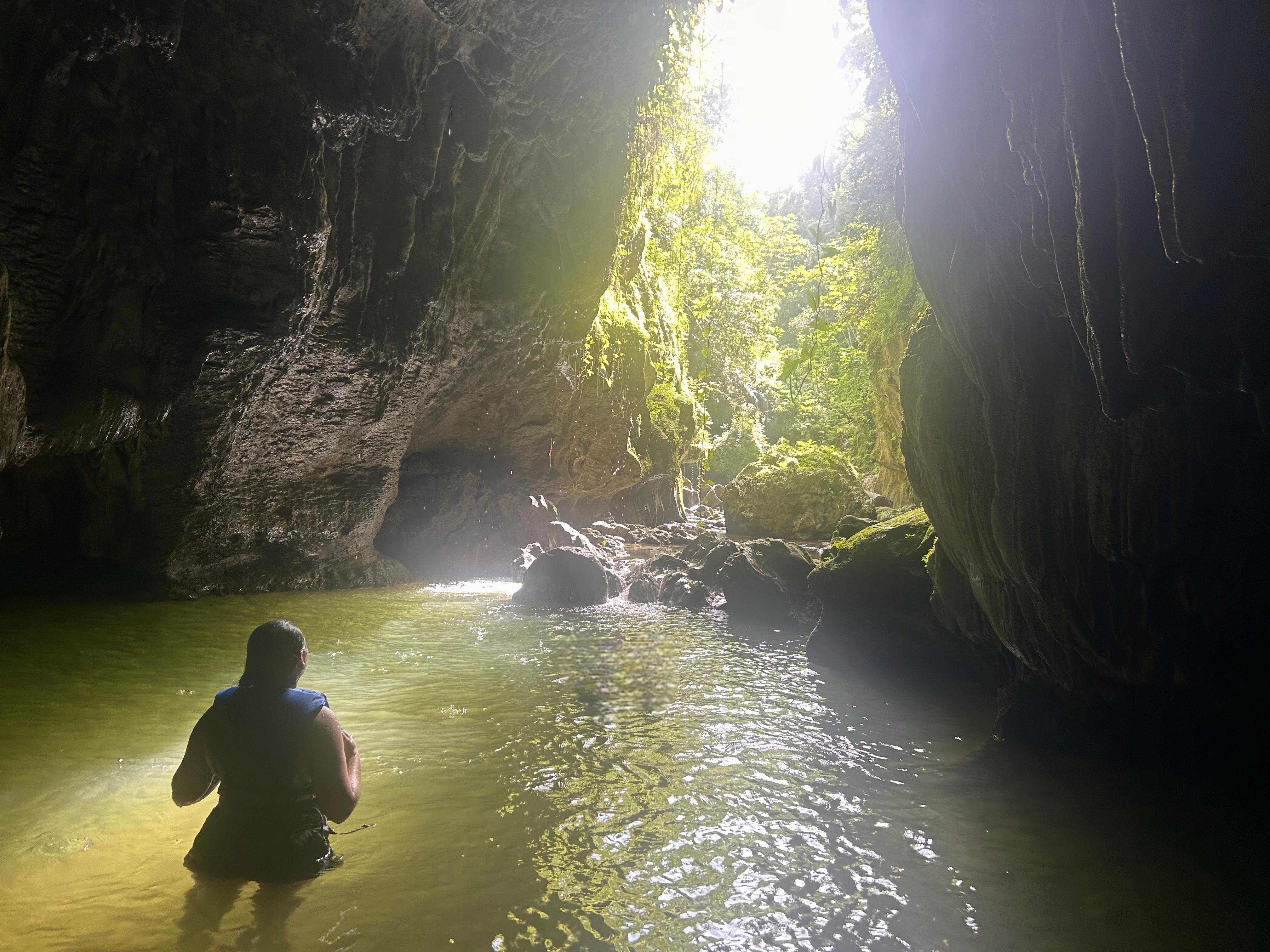
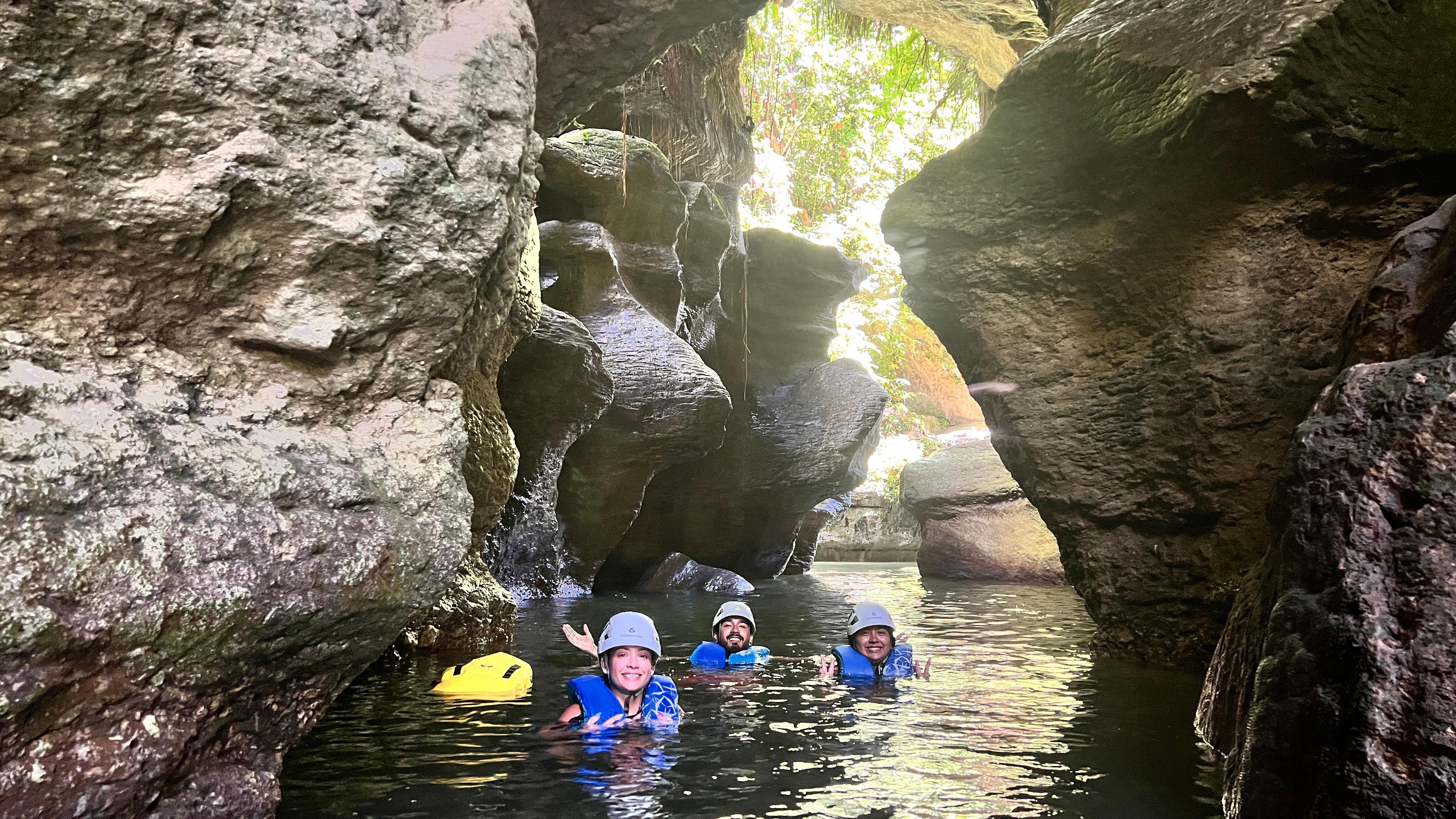
A series of limestone tunnels carved by the river over thousands of years.
Ancient rock carvings found in nearby caves that reflect the island's indigenous history.
A secluded waterfall hidden deep within the gorge area.
They complement each other, though most visitors call the limestone cavern navigation of the Cueva Arenales tour more adventurous while the panoramic vista at Cueva Ventana offers a more relaxed sightseeing experience.
| Feature | Top pick Cueva Arenales | Cueva Ventana |
|---|---|---|
Primary feature |
Subterranean river exploration | Panoramic valley views |
Difficulty level |
Moderate hiking and wading | Moderate walking path |
Water immersion |
Full body river trekking | None |
Crowd density |
Low to moderate | Moderate to high |
Main access point |
Calle Los Ortega | Highway PR-10 |
| See tickets → |
Verdict: Choose the Cueva Arenales tour if you want an active, wet canyoning experience, or opt for Cueva Ventana if you prefer accessible, high-altitude photography of local landmarks.
Choose your ticket, select your date, and reserve in under two minutes. Secure checkout handled by our verified partner.
Instant confirmation by email, with a mobile voucher you can save offline. No printing, no queuing at a collection desk.
Arrive at the entrance, show your voucher on your phone, and walk in. Most tickets include priority or skip-the-line access.
Best time to go, insider tips, nearby landmarks, and the cancellation fine print — flip through to skim what matters to you.
How crowds, weather, and events shift across the year.
Mild temperatures and lower rain risk make this an ideal time for trekking.
Frequent afternoon showers; arrive early to complete the cueva arenales tour before rain.
Lush scenery following the rainy season; monitor local weather alerts.
Pleasant, cooler weather perfect for full-day canyoning activities.
Small details that turn a good visit into a great one.
Use the supervised parking options near the water company pump station to ensure vehicle security.
Non-bookable sights within a short walk — free to visit, easy to pair.
A scenic deep-water pool known for cliff jumping and turquoise waters.
A protected cove with dramatic rock formations near the Atlantic.
A coastal cave system containing ancient Taino petroglyphs.
Flexible, no hidden fees.
Full refunds are provided for tours canceled at least 24 hours before the scheduled departure. Entrance is free, though supervised parking is available nearby for a fee.
Hand-picked options within walking distance — pick a district for vibe, or a specific hotel for convenience.
Main hub for tour pickup and transportation.
Intimate stays closer to the cave trailheads.
The limestone labyrinth now known as Cueva Arenales formed over three million years as the Río Cibuco carved underground channels through the northern karst belt, leaving behind a network of galleries decorated with stalactites, fossilized coral beds, and pre-Columbian petroglyphs attributed to the Taíno people who inhabited the region before Spanish contact in 1493. The cave system's name derives from the adjacent Arenales ward, itself named for the sandy deposits left by seasonal river flooding that once made the area a critical agricultural zone during Puerto Rico's colonial period. Unlike the heavily regulated Río Camuy caves to the west, Cueva Arenales remained largely undeveloped until the 1990s, when local geologists documented its extent and ecological significance, noting colonies of Antillean fruit bats and rare ferns that thrive in the perpetual humidity. Today the site anchors a growing adventure tourism corridor that links the caves to Charco Azul, a spring-fed pool one kilometer downstream, and the Vega Baja Canyon, a vertical-walled gorge where the river narrows to less than three meters. The karst geology visible throughout the system offers a cross-section of the island's tectonic history: the limestone dates to the Oligocene epoch, when shallow seas covered much of what is now northern Puerto Rico, and the cave ceilings preserve fossil imprints of sea urchins and mollusks that settled on the ancient seabed. The petroglyphs etched into the cave walls near the main chamber depict anthropomorphic figures and concentric circles, motifs common to Taíno ceremonial art, and their placement suggests the caves served as a sacred site or refuge during the pre-colonial era. Guided expeditions through the caves gained traction in the early 2000s as outfitters based in Vega Baja and nearby Manatí began offering half-day packages that combined caving with rappelling, river trekking, and cliff jumping at adjacent natural formations. The tours traverse passages that range from cathedral-sized chambers to crawl spaces requiring helmet lights and knee pads, with water levels fluctuating seasonally. The northern karst belt's porous bedrock means that even light rainfall can raise the river by half a meter within hours, a dynamic that shapes both the ecosystem and the visitor experience. The caves remain free to enter without a ticket, though most visitors opt for supervised tours that provide safety equipment and context about the geology and cultural history embedded in the rock.
"The limestone dates to the Oligocene epoch, when shallow seas covered much of what is now northern Puerto Rico, and the cave ceilings preserve fossil imprints of sea urchins and mollusks that settled on the ancient seabed."
No, the activity requires moderate to high physical fitness as you will be trekking through riverbeds and swimming through deep cave waters.
You should wear clothes suitable for water and hiking, specifically closed-toe water shoes, as you will definitely get wet on a cueva arenales tour.
Yes, but photography equipment must be waterproof, as you will be passing through canyons and swimming with your gear during the cueva arenales tour.
For professional tours, you generally need to cancel at least 24 hours before your scheduled cueva arenales tour for a full refund.